Before you ring Questions we get asked
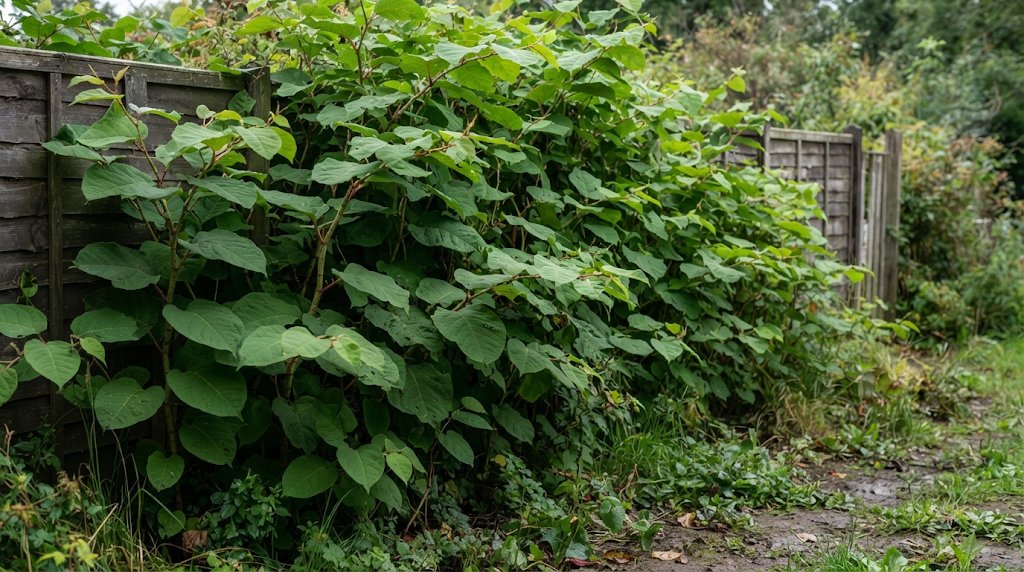
How do I know if it is Japanese knotweed?
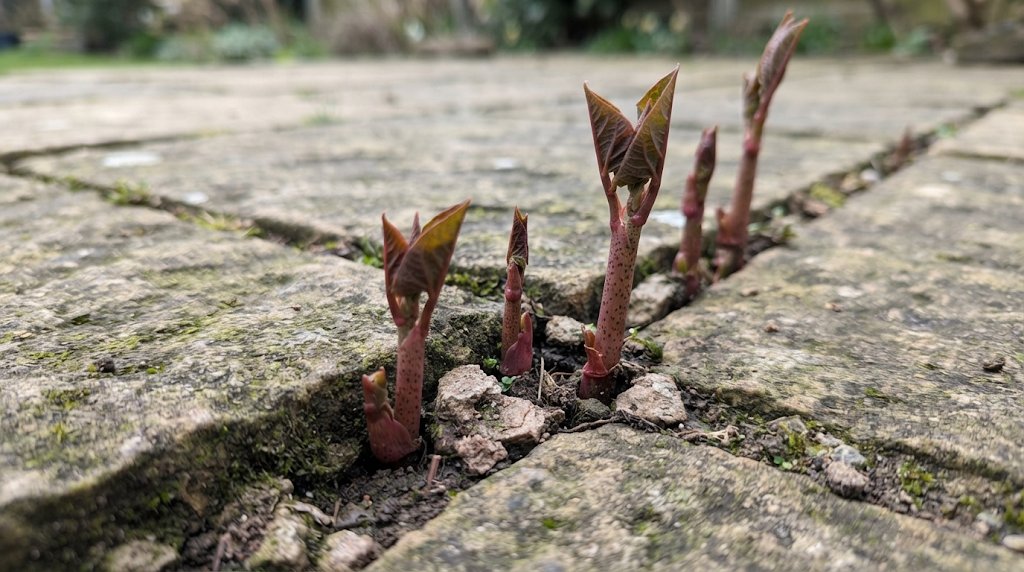
Look for hollow, bamboo-like stems with purple speckles that grow in a zig-zag from node to node, and large shield or heart-shaped leaves with a flat base. In late summer it carries creamy-white flower tassels; in winter the dead canes stay standing, brown and brittle. Send us a photo and we will tell you.
Is it illegal to have knotweed in my garden?
No. It is not an offence to have it on your land. It is an offence to cause it to grow in the wild, and knotweed waste is controlled waste that must be disposed of properly. Letting it spread onto a neighbour's property can lead to a private nuisance claim.
Will knotweed stop me getting a mortgage?
Usually not, if there is a professional management plan in place. Most lenders want to see a survey, a treatment plan and, often, an insurance-backed guarantee before they will lend.
How long does treatment take?
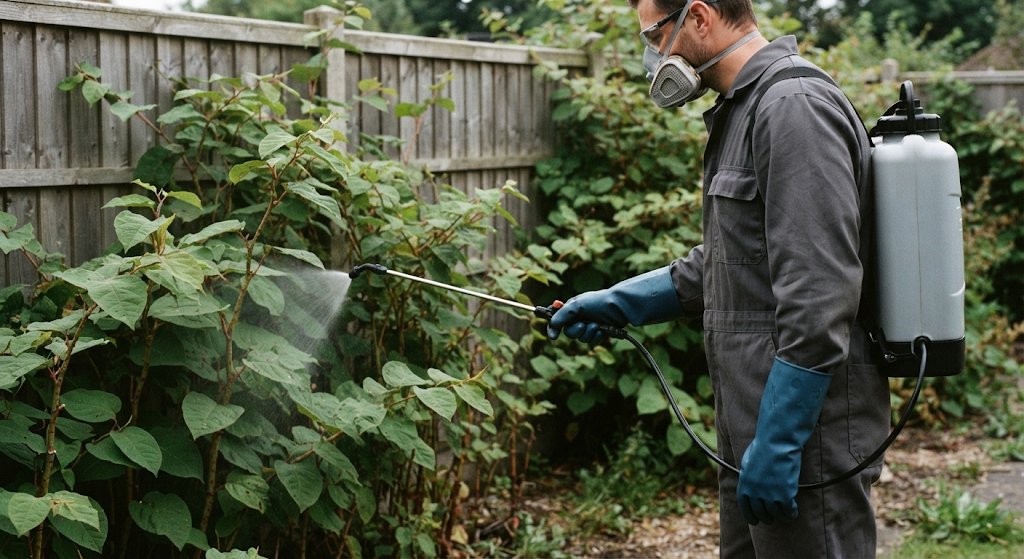
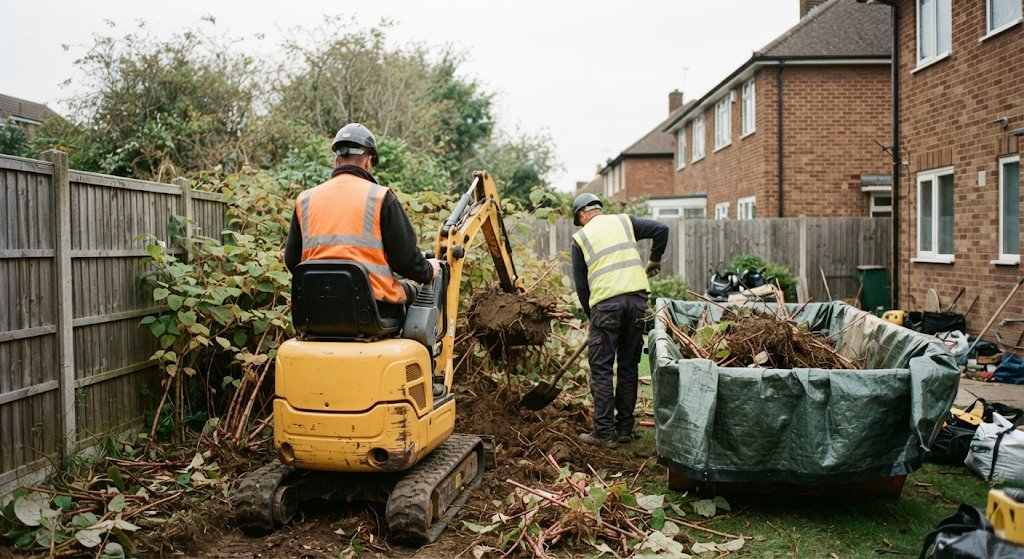
Herbicide treatment typically runs over three to five growing seasons, with monitoring afterwards. Excavation removes it in days but costs more.
Can I just dig it out myself?
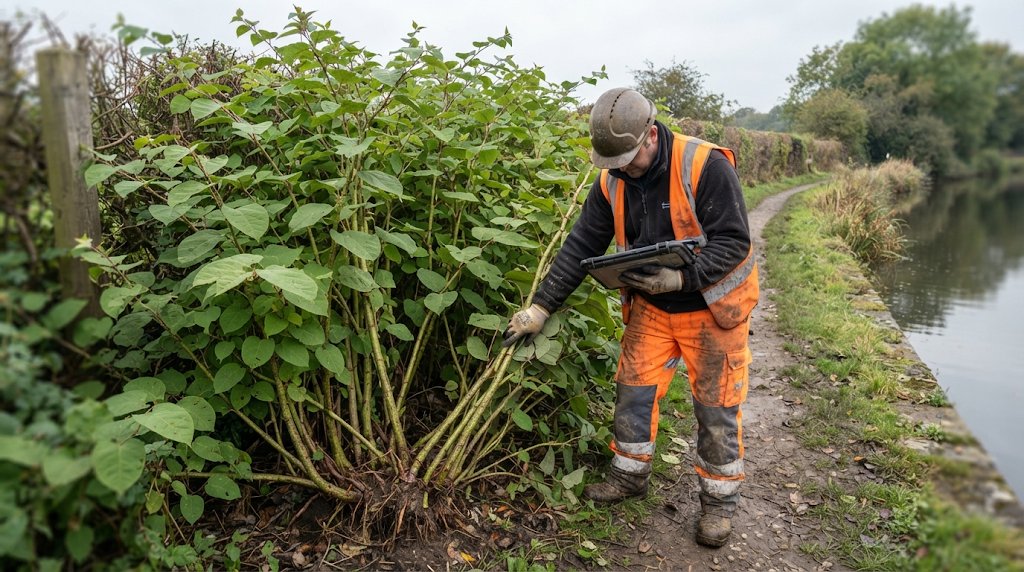
It is not recommended. Fragments of rhizome as small as a fingernail can regrow, and the soil becomes controlled waste. DIY digging usually spreads it.
Does knotweed damage houses?
It exploits existing weaknesses — cracked paving, drains, garden walls, conservatories and outbuildings are most at risk. Serious damage to sound foundations is less common than often claimed, but lenders and buyers still treat it seriously.
What if it is coming from my neighbour?
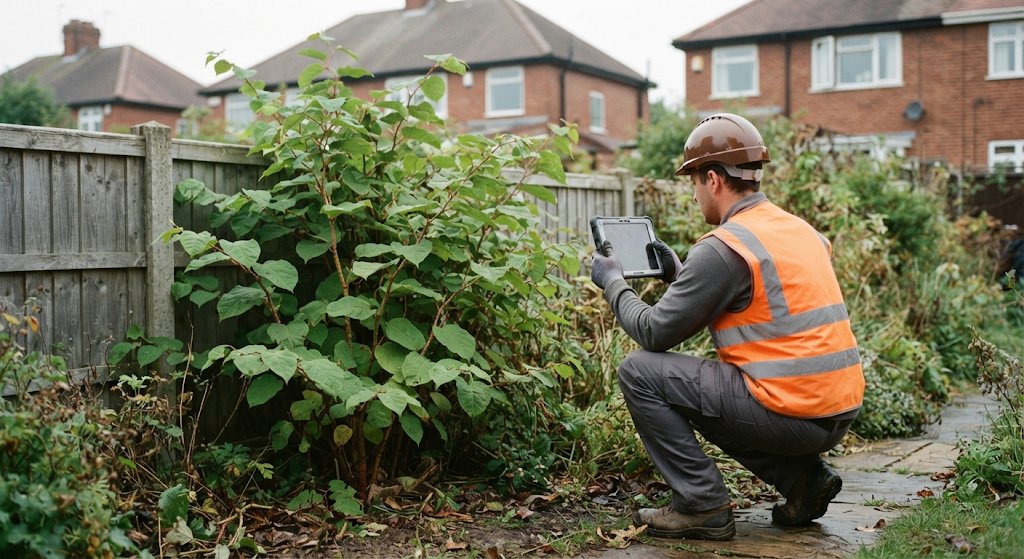
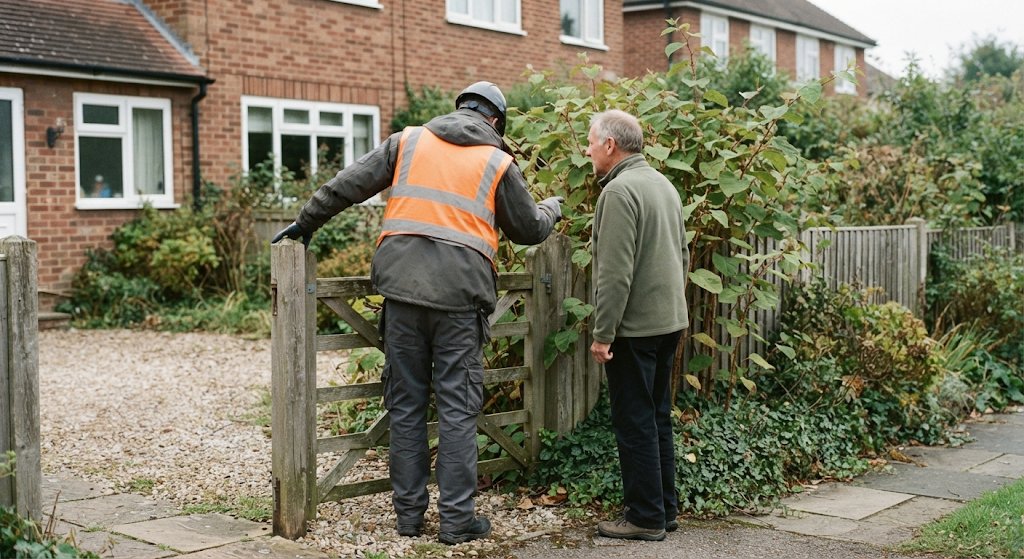
Start with a survey that records where it is and where it is spreading from. That evidence is what a conversation with the neighbour — or a claim — rests on.
Should I cut it back or strim it?
No. Cutting and strimming scatters fragments that can regrow, and it weakens the effect of herbicide treatment. Leave it until it has been assessed.
What do I have to declare when I sell?
The TA6 property information form asks whether the property is affected by Japanese knotweed. If it is, you should say so and provide the management plan. Answering incorrectly can lead to a misrepresentation claim.
How much does knotweed removal cost?
Herbicide treatment programmes for a typical garden often cost in the region of £1,000 to £3,000 over several years. Excavation is quicker but can run from several thousand pounds to £20,000 or more on larger sites. A survey tells you which applies.
Do you cover all of Warrington?
Yes — All Warrington postcodes (WA1–WA5), plus Lymm (WA13) and Culcheth (WA3).
 Knotweed on development sites
 Knotweed for landlords and agents
 Knotweed excavation
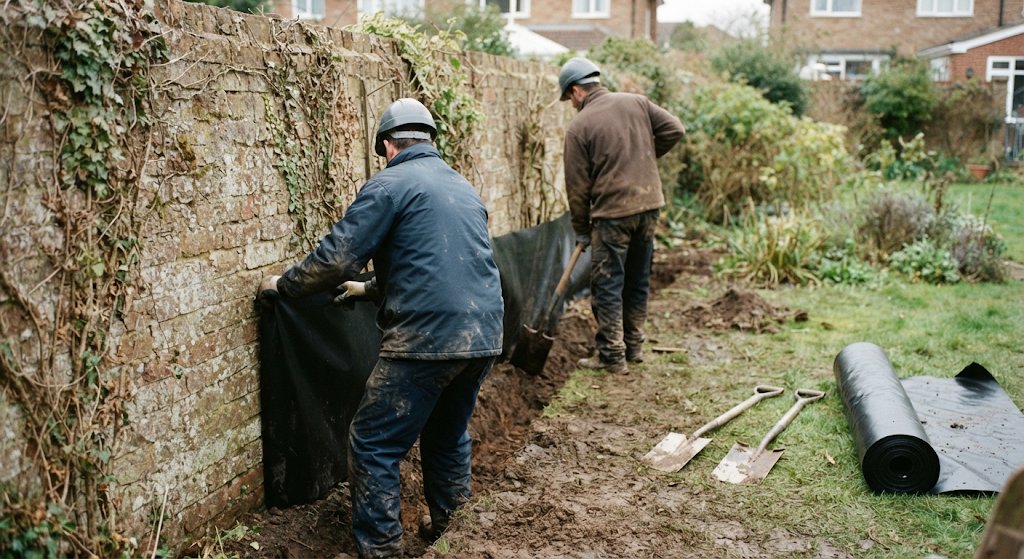 Knotweed root barrier